


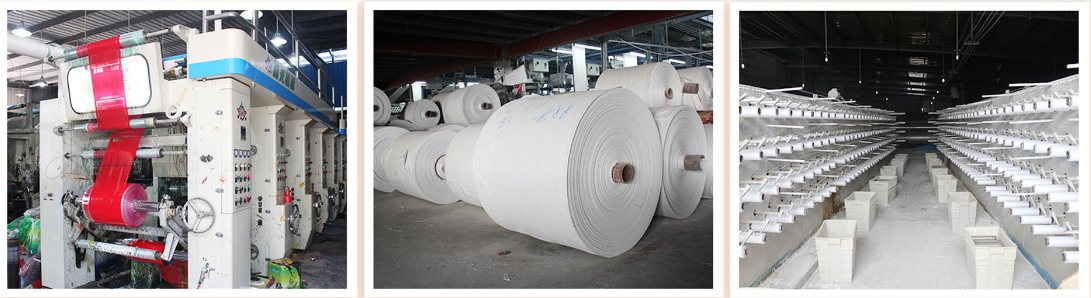
PP woven bags are a common sight in agricultural supply markets, grain warehouses, feed mills, and port yards. They may seem unremarkable, but they play a crucial role; though they appear to be just a piece of fabric, their quality becomes immediately apparent once they’re loaded, handled, loaded onto trucks, or shipped by sea.
Recently, in the production workshop of Linyi Dongyi Import & Export Co., Ltd., batches of woven bags were being produced in an orderly manner. Plastic pellets undergo filament drawing, circular weaving, cutting, printing, sewing, and inspection before finally becoming packaging bags capable of holding grain, fertilizer, seeds, feed, and chemical raw materials. The workshop manager put it plainly: “Customers don’t buy bags just for their appearance; they need them to hold the load, withstand the strain, and travel long distances.”
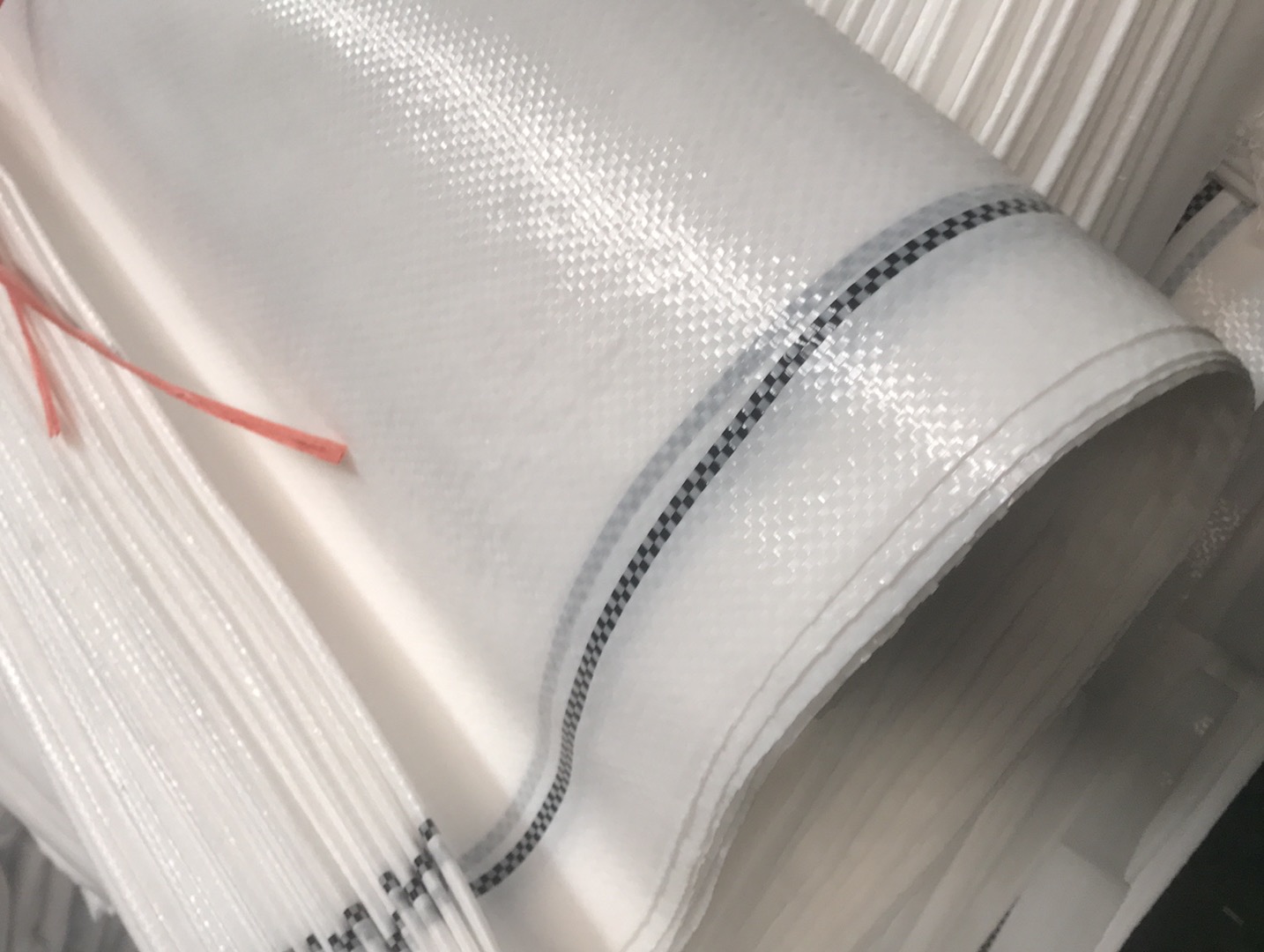
PP, short for polypropylene, is a commonly used thermoplastic material. It is lightweight, highly resilient, and resistant to common dilute acids and alkalis. When processed into woven fabric, it also achieves excellent tensile strength. It is precisely for these reasons that PP woven bags have become a “standard choice” in industrial and agricultural packaging. When packing rice, the bags must be clean and smooth; for fertilizer, they must be tear-resistant and have secure seals; for feed and seeds, they sometimes need to be moisture-proof, light-resistant, and easy to stack. Different goods have different requirements for the bags.
Take thickness as an example. In the industry, we often refer to GSM, which stands for grams per square meter of fabric. Many customers ask right away, “Is thicker always better?” In fact, this is not necessarily the case. For bulky, lightweight goods, choosing fabric with a lower grammage is more cost-effective; for goods with heavy granules, high density, and significant stacking pressure during transport, a higher grammage is necessary—otherwise, the bag may deform or tear. Linyi Dongyi Import & Export Co., Ltd. matches the appropriate grammage, dimensions, and bag style based on the customer’s load weight, shipping method, and budget, rather than applying a one-size-fits-all approach.
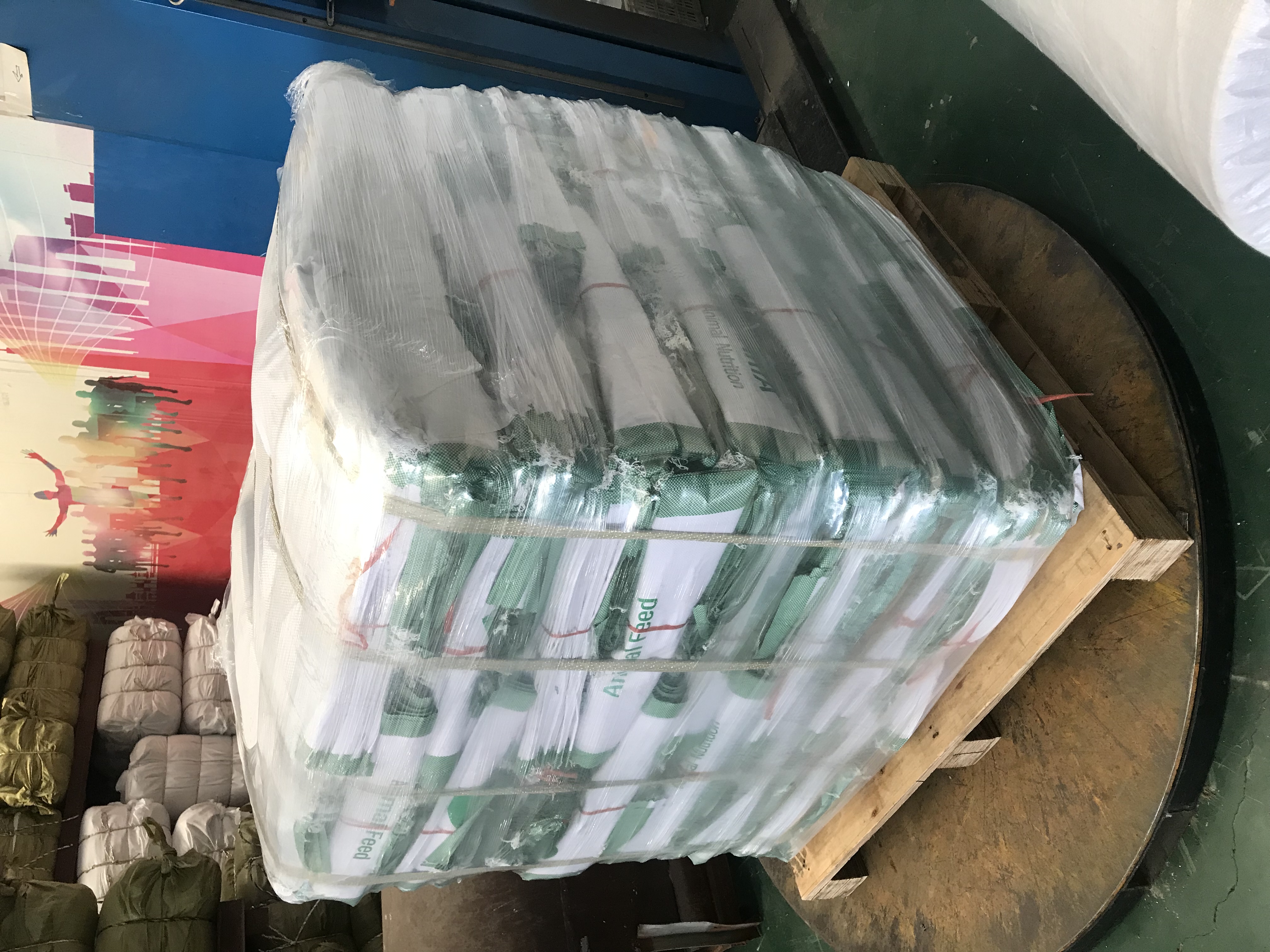
The sturdiness of a bag cannot be determined solely by touch or sight. Once filled, the fabric must bear the weight of the load, withstand pulling during handling, and endure the pressure of stacked cargo above it in storage. Therefore, the fabric density, yarn tensile strength, and bottom stitching must all be up to the task. Before mass production begins, the sales team confirms each detail—including the customer’s load weight, bag opening design, bag dimensions, and print content—and arranges for samples. Once mass production begins, inspectors conduct spot checks on stitching locations, seal integrity, print placement, and individual bag weight. Although this adds a few extra steps to the process, it prevents the discovery of specification errors only after the goods arrive at the port.
The design of the bags also varies depending on their intended use. Since powdered materials are susceptible to moisture, a PE liner is added inside; for grains and consumer goods that need to stand out on store shelves, lamination or color printing can be applied; and for bulk goods requiring forklift handling, ton bags are more suitable. When designs are simple and feature few colors, offset printing offers fast turnaround and low costs; when designs have multiple layers and require vibrant colors, laminated color printing delivers better results. In other words, the most expensive packaging isn’t necessarily the best fit—it must align with the product’s characteristics, shipping distance, and the client’s budget.
Public records show that Linyi Dongyi Import & Export Co., Ltd. has specialized in woven packaging since 1998. Currently, the factory is equipped with 500 circular looms, over 80 color printing presses, and more than 50 packaging machines, and employs over 200 skilled workers. The company’s R&D team monitors packaging trends in overseas markets and assists clients with logo and product layout design; many members of the sales team have years of industry experience and can quickly determine which bag types are best suited for each client. The production, quality control, and logistics departments work closely together to ensure orders proceed smoothly from initial communication through delivery.
After years of development, the company’s products have entered markets in Thailand, Malaysia, India, Laos, and other countries, and it fulfills OEM and ODM customization requests from clients in Europe, the Americas, and Africa. In recent years, the company has also accumulated production experience in composite packaging, including BOPP-laminated bags, paper-backed PP woven bags, and valve bags.
A single PP woven bag may not look complicated on the outside, but it connects production, warehousing, transportation, and sales. It must not only protect the goods inside but also showcase the brand on the outside. Truly reliable packaging isn’t about making a big fuss over technical specifications; it’s about giving customers peace of mind when loading, ease of transport, and ensuring the goods arrive at their destination intact. For Linyi Dongyi Import & Export Co., Ltd., ensuring that every bag is tightly woven, securely sewn, accurately printed, and thoroughly inspected is the company’s most fundamental and enduring competitive advantage.
Post time: Oct-19-2026